Assessing Your Landscape for Winter Resilience
As the winter months approach, it’s essential to evaluate your landscape’s preparedness for the season. Proper assessment and planning can ensure that your outdoor spaces remain healthy and vibrant throughout the colder months. In this blog post, we will explore practical steps you can take to assess and enhance the winter resilience of your landscape.
Evaluate Plant Health
The first step in assessing your landscape is to evaluate the health of your plants. Check for any signs of disease or pest infestations that may weaken your plants over the winter. Look for discoloration, unusual growth patterns, or dead branches. Addressing these issues now can prevent further damage as temperatures drop.
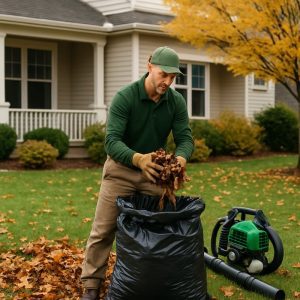
Consider pruning any dead or damaged branches to promote healthy growth in the spring. Additionally, remove any fallen leaves or debris that could harbor pests or diseases. Properly caring for your plants now can help them withstand the harsh winter conditions.
Soil Preparation
Healthy soil is the foundation of a resilient landscape. Conduct a soil test to determine its pH and nutrient levels. This information will help you understand what amendments your soil may need to support plant health during winter. Adding organic matter, such as compost or well-rotted manure, can improve soil structure and fertility.
Moreover, consider mulching your garden beds. A layer of mulch can help regulate soil temperature, retain moisture, and protect plant roots from extreme cold. Ensure that the mulch is applied correctly—too thick can suffocate plants, while too thin may not provide adequate insulation.
Winterizing Irrigation Systems
Preparing your irrigation system for winter is another crucial step in landscape resilience. If you have an automated system, make sure to drain and winterize it to prevent pipes from freezing and bursting. This process typically involves turning off the water supply, draining the lines, and using compressed air to blow out any remaining water.
For manual systems, be sure to disconnect hoses and store them in a sheltered area. Properly winterizing your irrigation system will save you time and money in repairs come spring.
Assess Hardscaping Features
Evaluate your hardscaping features, such as patios, walkways, and retaining walls. Look for any cracks or damage that could worsen with freeze-thaw cycles. Repairing these issues now can extend the lifespan of your hardscaping and prevent safety hazards during winter.
Additionally, consider how snow and ice will impact your outdoor spaces. You may need to plan for snow removal or apply anti-icing agents to prevent ice buildup on walkways and driveways. A proactive approach will keep your landscape safe and accessible throughout the winter months.
Call to Action
Winter can be challenging for any landscape, but with proper assessment and preparation, you can ensure its resilience. If you need assistance evaluating your landscape for winter readiness, Four Seasons Landscape & Construction Services is here to help. Our team of experts can provide tailored solutions to protect your outdoor spaces during the winter months.
For more helpful articles, visit our Media Center.